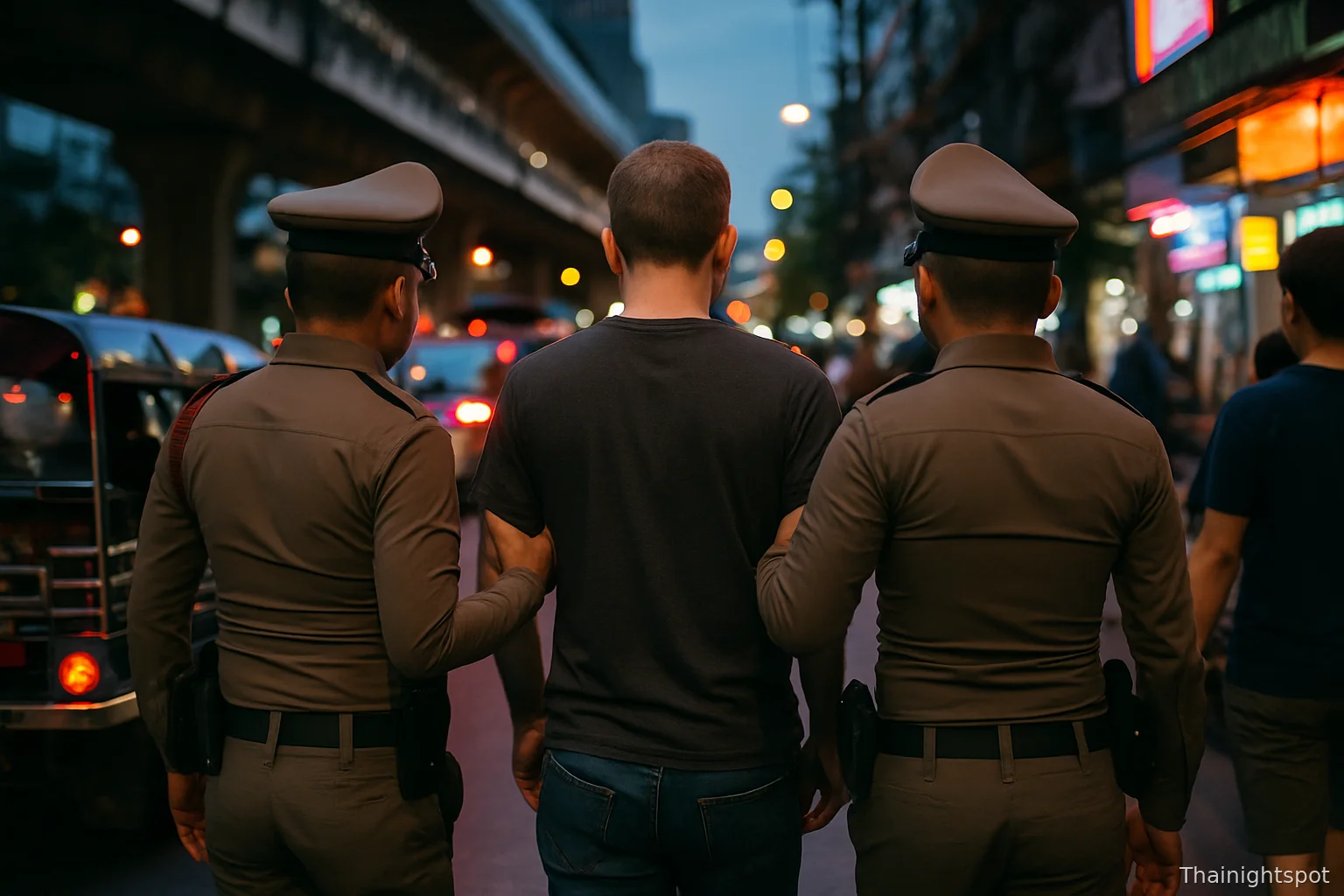
The numbers are staggering, even by Thailand's increasingly grim standards. Nearly two tonnes of crystal methamphetamine. Hidden in a pickup truck. On a ferry bound for one of the country's most popular tourist destinations. When police made the bust at a Bangkok pier last Friday, they didn't just intercept a massive drug shipment—they exposed the uncomfortable reality of Thailand's role as a major transit hub for international narcotics.
Ferry Becomes Drug Highway
According to the Bangkok Post, the 2,000-kilogram seizure happened as the ferry prepared to depart for Koh Samui, the palm-fringed island that draws hundreds of thousands of tourists annually for its beaches, full moon parties, and laid-back vibe. Four suspects were arrested in connection with the smuggling operation, though details about their identities and nationalities remain scarce.
The choice of route is telling. Koh Samui sits at the heart of Thailand's southern island chain, with ferry connections to the mainland and neighboring countries. It's a natural waystation for traffickers looking to move product through Southeast Asia's porous maritime borders. What's particularly unsettling is how normalized this has become—police didn't stumble onto this shipment through brilliant detective work. They were tipped off, suggesting this ferry route has been used before.
Foreign Criminals Find Safe Harbor
The timing of this bust coincides with a broader pattern of international criminals using Thailand as both a base of operations and transit point. Just days earlier, as reported by The Thaiger, a 50-year-old Frenchman wanted for more than 30 offenses was arrested in Phuket after fleeing prosecution in his home country. The suspect, identified only as Ani, was wanted for drug trafficking and money laundering—charges that speak to the sophisticated financial networks supporting these operations.
Meanwhile, an alleged Nordic mafia leader wanted under an Interpol red notice was also nabbed in Phuket, according to the Bangkok Post. The arrest at a luxury condominium underscores how high-level criminals are drawn to Thailand's combination of modern amenities, relatively lax enforcement, and strategic location for regional operations.
Tourist Areas Under Siege
These aren't isolated incidents happening in remote border towns. They're unfolding in the very places where tourists eat, sleep, and party. Bangkok's Thung Maha Mek district—where two Chinese content creators were recently arrested with drugs and pornography equipment—sits in the heart of the capital's expat and tourist zones. Phuket, where multiple international fugitives have been rounded up, remains Thailand's premier beach destination.
The pattern reveals how criminal networks have adapted to exploit Thailand's tourism infrastructure. Luxury condos provide anonymous accommodation. Tourist ferry routes offer cover for moving contraband. The same visa policies that make Thailand accessible to legitimate travelers also benefit those with less wholesome intentions.
Beyond the Headlines
What makes this situation particularly complex is the sheer scale of the methamphetamine trade in Southeast Asia. The 2-tonne Bangkok seizure represents just a fraction of the crystal meth flowing through the region, much of it originating from Myanmar's lawless border areas where armed groups operate industrial-scale production facilities.
For tourists and expats, the implications go beyond mere curiosity about crime statistics. These networks bring violence, corruption, and instability that can spillover into everyday life. When drug money corrupts local officials, it affects everything from police response times to the safety of walking home at night. When tourist areas become transit points for narcotics, they inevitably attract the kind of secondary crime that follows big money and desperate people.
What This Means Moving Forward
The recent arrests suggest Thai authorities are taking the problem more seriously, likely under pressure from international partners who are tired of seeing their most wanted criminals vacation in Phuket penthouses. But enforcement alone won't solve the underlying issues that make Thailand attractive to transnational criminal networks.
The country's geographic position, modern infrastructure, and relatively open borders are fundamental advantages that also create vulnerabilities. Until regional cooperation improves and source countries like Myanmar address their production facilities, Thailand will continue struggling with this unwanted transit traffic.
For now, travelers should remain aware that paradise comes with complications. The same easy accessibility that makes Thailand a great destination also makes it a convenient stop for people you really don't want as neighbors. The 2-tonne meth bust reminds us that beneath the tourism brochures and Instagram posts, there's a darker current flowing through the kingdom's waters.
Sources: Bangkok Post, The Thaiger