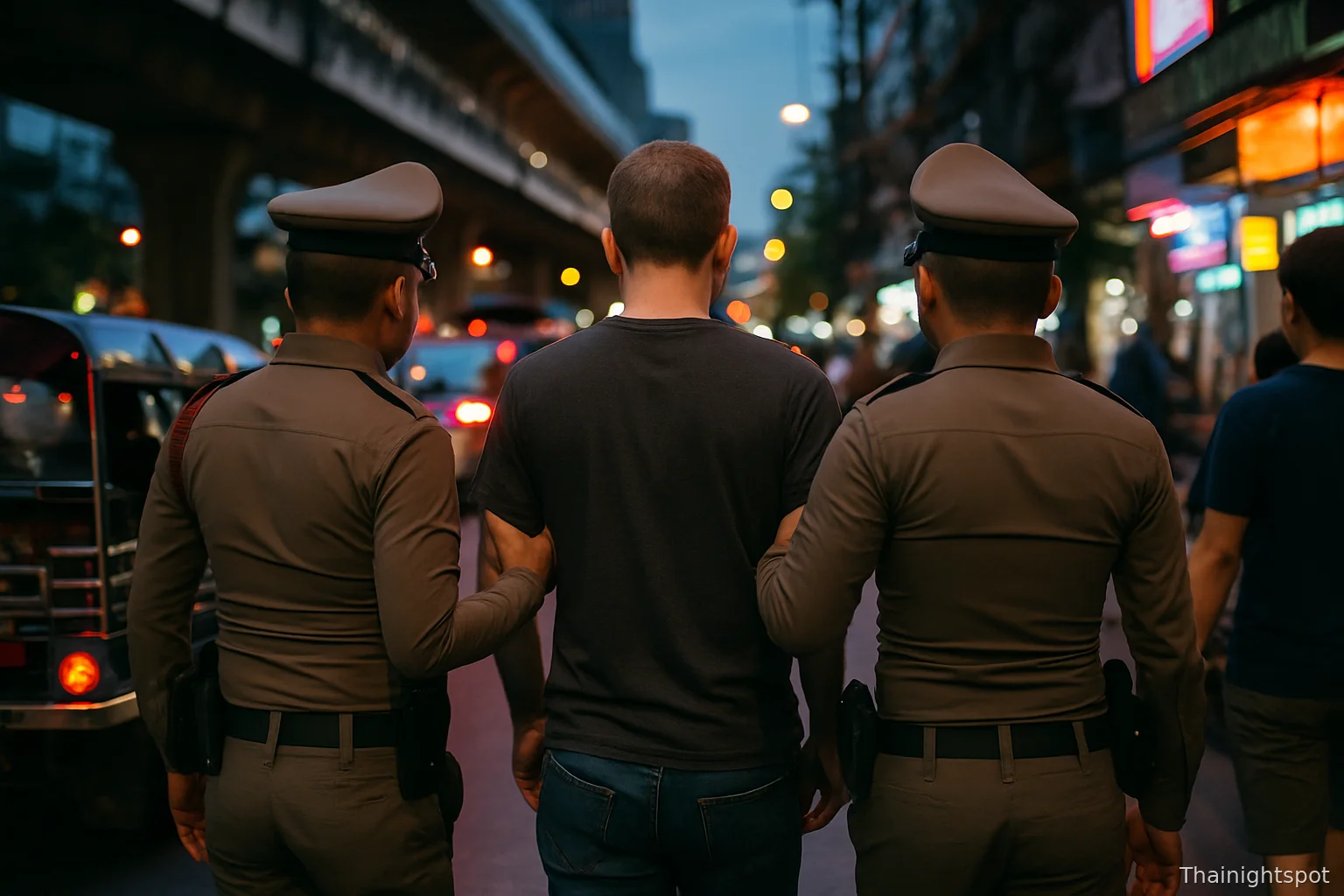
The neon-soaked streets of Pattaya got a harsh reality check at 3:30am yesterday when police smashed through the doors of a Third Road nightclub and hauled away 36 Chinese nationals suspected of turning the venue into their private drug den. It was the kind of raid that reminds you this resort town's reputation for anything-goes nightlife comes with a much darker underbelly.
When the Music Stops
According to The Thaiger, police in Nong Prue received a tip-off about drug activity inside the venue and moved fast. By dawn, three dozen Chinese nationals were in custody, suspected of gathering specifically to use drugs. The details are still emerging, but this wasn't some random bust—it was targeted intelligence that led officers straight to what appears to have been an organized operation.
The timing couldn't be worse for Thailand's tourism image. Just days before Songkran kicks off and millions of visitors descend on the kingdom, Pattaya finds itself back in the headlines for all the wrong reasons. This isn't just another drunk tourist incident—it's organized criminal activity using Thailand's nightlife venues as cover.
Tourism Under Siege
The Pattaya raid comes as part of a broader pattern of foreign-run illegal operations targeting Thailand's tourism zones. Down in Phuket, police yesterday arrested an Israeli national for operating a travel agency through Thai nominees, as reported by The Thaiger. Officers from the Department of Tourism and Tourist Police found two companies breaking the law, highlighting how organized these operations have become.
These aren't isolated incidents. They're part of a systematic abuse of Thailand's relatively relaxed tourism infrastructure by foreign nationals who think they can set up shop and play by their own rules. The Israeli travel agency case is particularly telling—using Thai nominees to circumvent foreign business ownership laws while targeting the very tourists the legitimate industry depends on.
Crime Wave Timing
The arrests come as Thailand launches "Operation Anti Zombies," a nationwide crackdown on criminal networks smuggling etomidate for use in so-called "zombie e-cigarettes," according to Bangkok Post. The operation spans four provinces including Bangkok, showing just how widespread these drug networks have become. It's not just Pattaya—this is a country-wide problem that's hitting tourism centers particularly hard.
Meanwhile, foreign criminals are also targeting tourists directly. The Thaiger reported that two foreign men stole cash and a gold ring from a 21-year-old Chinese tourist on Pattaya's Phettrakul Road at 1am, using the old inspect-the-money scam. The victim and her boyfriend had to file a police complaint in the early hours, exactly the kind of experience that kills word-of-mouth tourism faster than any bad review.
Festival Economics Under Pressure
All this criminal activity is happening as Thailand prepares for its biggest tourism event of the year, but even Songkran is feeling the squeeze. Bangkok Post reports that soaring fuel costs are pushing up food prices and dampening travel sentiment in key tourism centers. Small vendors are getting squeezed, transport costs are rising, and the overall festival vibe is taking a hit from economic pressures.
It's a perfect storm: rising costs making legitimate tourism more expensive while criminal networks exploit the same infrastructure that tourists depend on. The contrast couldn't be starker—Bangkok Post also highlights how Songkran 2026 offers world-class festival experiences and interactive celebrations, but those positive stories get buried under crime reports.
What This Means for Nightlife
For anyone planning to experience Thailand's legendary nightlife scene, these incidents serve as a wake-up call. The authorities are clearly taking organized crime seriously—the coordinated raids, the multi-province operations, the focus on tourism zones all signal that law enforcement is responding to a real threat.
But it also means the party atmosphere comes with genuine risks. When criminal networks are sophisticated enough to run travel agencies through nominees and organize drug operations in nightclubs, the line between legitimate nightlife and criminal activity gets uncomfortably blurry for visitors.
The good news is that Thai authorities are actively targeting these operations. The bad news is that they're prevalent enough to require nationwide crackdowns. As Songkran approaches and millions prepare to celebrate, the message is clear: the party's still on, but the rules are being enforced with new seriousness.
Source: The Thaiger, Bangkok Post