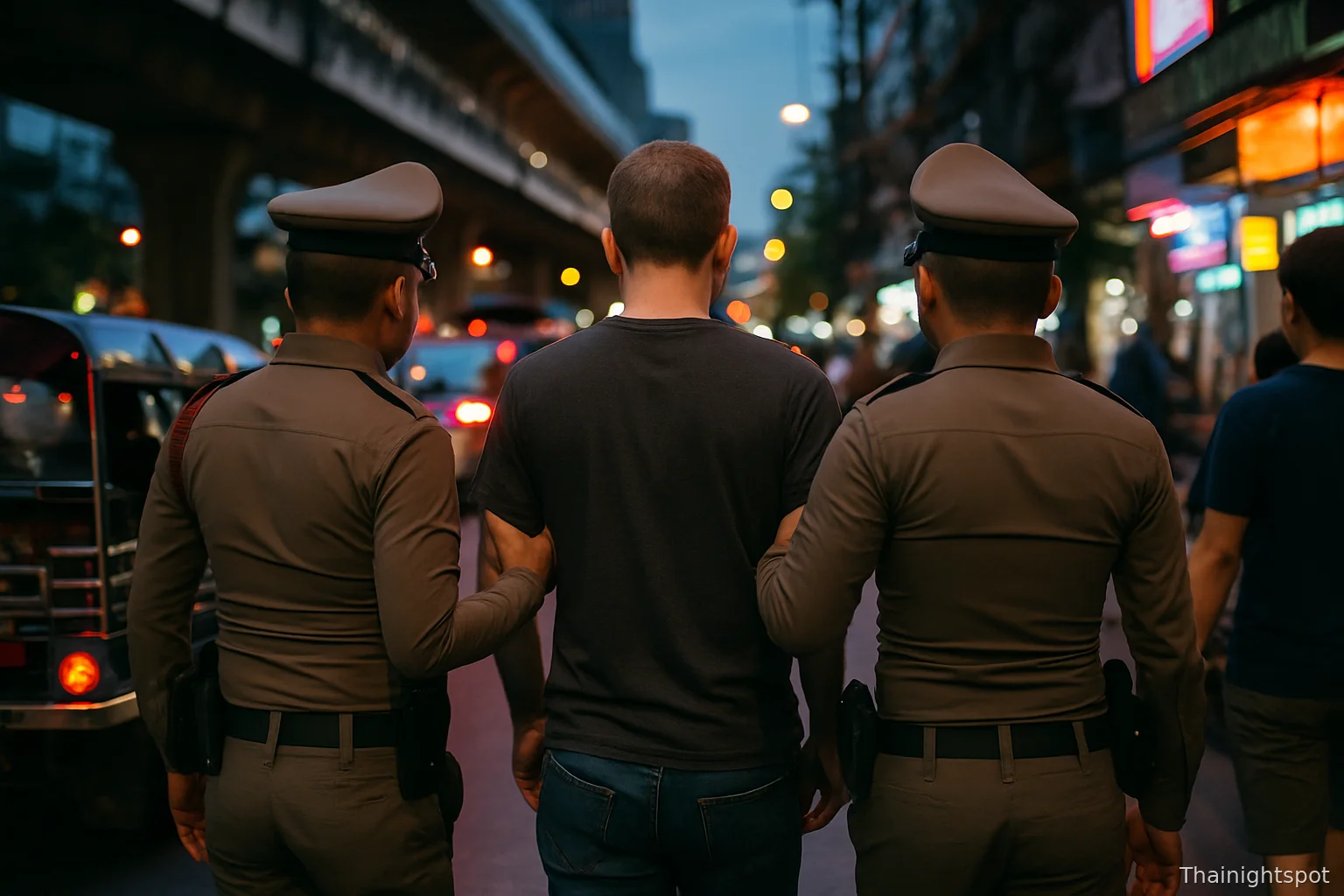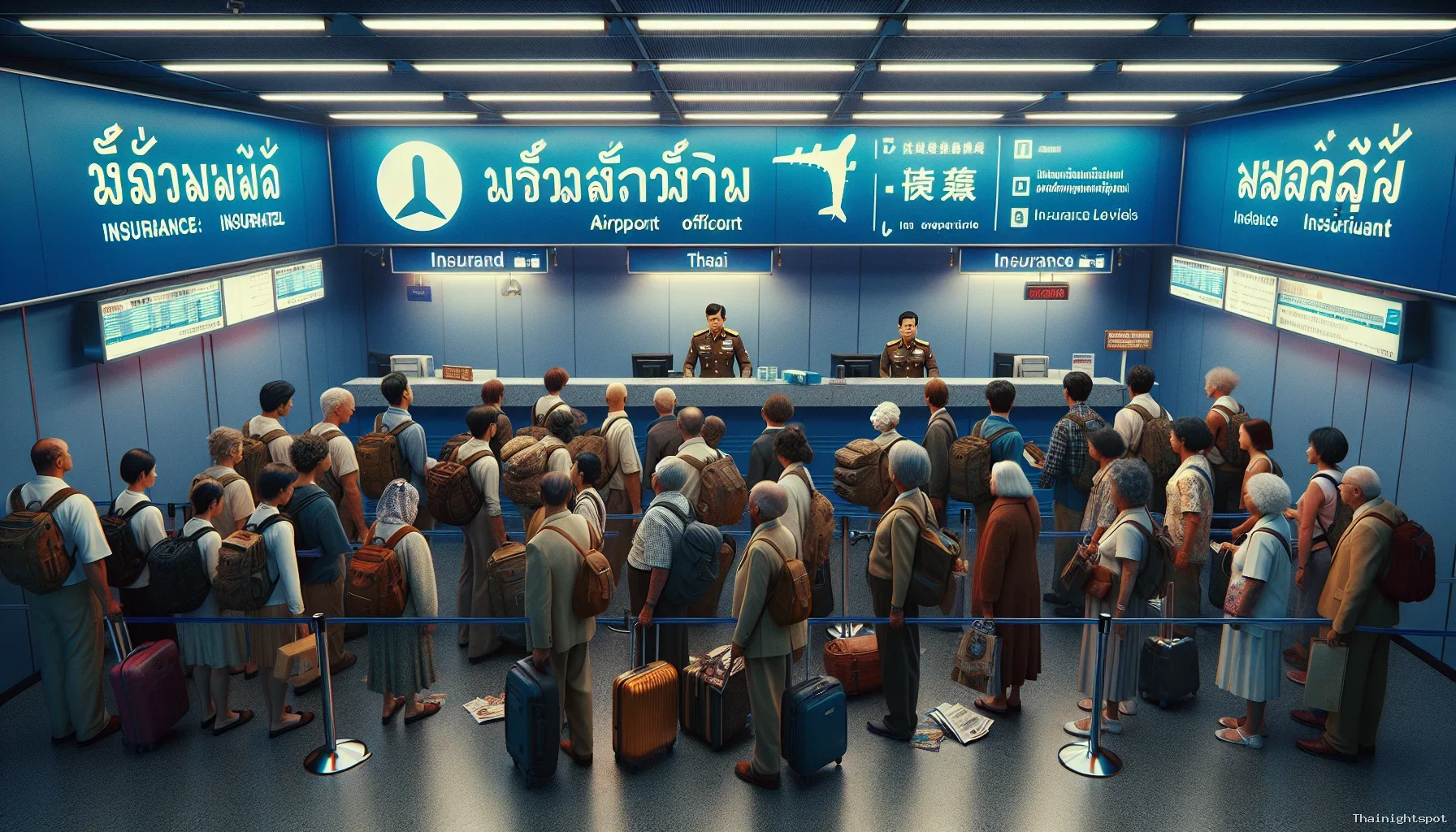
Thailand is moving toward requiring all international tourists to carry accident insurance before entering the country, a move that comes as online scammers increasingly target foreign visitors and expats with sophisticated schemes that netted over 407 million baht just last week.
Insurance Mandate Reflects Healthcare Crisis
The proposed insurance requirement stems from mounting pressure on Thailand's public healthcare system, according to Bangkok Post. Rising unpaid medical bills and accident risks from international visitors have created what officials describe as an unsustainable financial strain. For the millions of tourists who flock to Thailand's beaches, bars, and bustling nightlife districts each year, this could mean adding another line item to their travel budget.
The reality is that accidents happen. Late-night motorbike rides after a few too many Chang beers, slip-and-falls at pool parties, or food poisoning that requires hospitalization—these scenarios play out daily across Thailand's tourist hotspots. Currently, when uninsured tourists can't pay their medical bills, Thai taxpayers foot the cost.
Scammers Shift Tactics to Smaller Targets
While the government grapples with tourist healthcare costs, criminal networks are busy exploiting visitors and expats through increasingly sophisticated online scams. The Anti-Cyber Scam Centre recorded 7,366 online crime cases in just one week, with losses exceeding 407 million baht, as reported by Bangkok Post.
What's particularly concerning for the expat and tourist community is the shift in criminal tactics. Scammers are moving away from targeting high-value victims and instead focusing on smaller individual targets—the kind of amounts that might not seem worth reporting but add up to massive collective losses. Job-related scams are surging, particularly targeting foreigners seeking employment in Thailand's competitive market.
These employment scams often promise lucrative positions in Thailand's hospitality, teaching, or digital marketing sectors—industries that regularly attract foreign workers. The scammers create elaborate fake company profiles, conduct convincing video interviews, and request "processing fees" or personal information that later gets used for identity theft.
Tourism Industry Seeks Balance
The State Railway of Thailand is simultaneously trying to boost domestic tourism revenue through premium charter services, offering luxury train experiences designed to keep tourism money circulating within the country, according to The Nation Thailand. This push for domestic tourism comes as international visitor policies become more restrictive.
The insurance mandate represents a delicate balancing act. Thailand desperately needs tourism revenue—the industry employs millions and supports countless bars, restaurants, hotels, and entertainment venues that form the backbone of the nightlife economy. But the current system of socializing healthcare costs for tourists is unsustainable.
What This Means for Visitors
For tourists planning trips to Thailand, the writing is on the wall. Smart travelers should already be carrying comprehensive travel insurance that covers medical emergencies, but the proposed mandate would make this legally required rather than merely advisable.
The insurance requirement could particularly impact budget travelers and digital nomads who often skip comprehensive coverage to save money. Backpackers hitting the Full Moon Party or young expats teaching English might find their Thailand adventures becoming more expensive.
Meanwhile, the surge in online scams targeting foreigners suggests visitors need to be more cautious than ever about job offers, investment opportunities, or any scheme that seems too good to be true. The romantic image of Thailand as a carefree paradise where anything goes is bumping up against the reality of modern criminal enterprises that specifically target foreign money.
The convergence of these two issues—mandatory insurance and increased scamming—reflects Thailand's evolution from a low-cost destination where visitors could wing it to a more regulated environment where preparation and vigilance are essential. The days of showing up with flip-flops and a smile might not be entirely over, but they're certainly becoming more complicated.
Source: Bangkok Post, Bangkok Post, The Nation Thailand