The van driver seemed helpful enough. A 20-year-old Ukrainian woman approached him in Phuket town asking to use his internet connection to contact a friend. What happened next is the kind of nightmare that keeps tourism officials awake at night and makes headlines that no one wants to write.
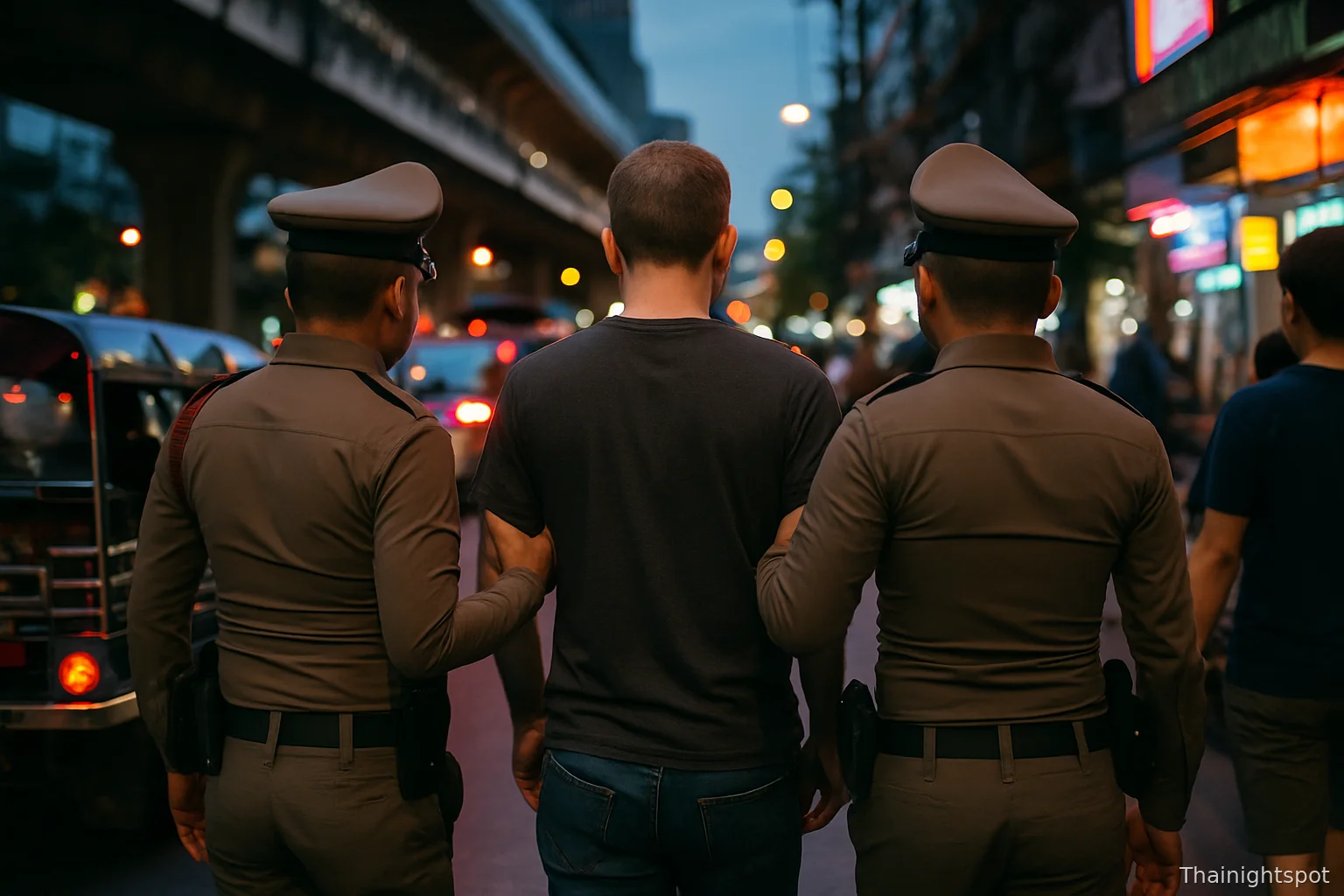
According to Bangkok Post, the 43-year-old Thai driver instead forced the woman into his van and raped her. She filed a complaint with Patong Police Station at 5:30 AM on April 6, and police tracked down the suspect within hours. The Thaiger reports that the driver has confessed to the crime.
When Help Becomes Horror
The incident cuts to the bone of tourist safety in Thailand. Here's a young woman doing what any of us might do when stranded without internet – asking a local for help. The fact that this simple request led to sexual assault speaks to vulnerabilities that go far beyond the usual tourist safety warnings about pickpockets and overpriced taxis.
What's particularly disturbing is how the crime unfolded. The woman wasn't walking alone down a dark alley or accepting a ride from a stranger at 3 AM. She was seeking basic assistance in broad daylight from someone in what appeared to be a professional capacity. Van drivers in tourist areas are often seen as semi-official helpers, the guys who know where things are and how to get around.
Pattaya's Own Security Reckoning
The Phuket rape comes as another major resort destination grapples with security issues of its own. Tourist police in Pattaya have moved to tighten control over private security guards on Walking Street following online criticism over alleged violence against tourists, as reported by Bangkok Post.
The timing isn't coincidental. Thailand's tourism industry is hypersensitive to anything that damages its image, and stories of tourist mistreatment – whether by criminals, security guards, or anyone else – spread faster than food poisoning rumors on travel forums. Every incident becomes ammunition for those who argue that Thailand has become less safe, less welcoming, or simply not worth the risk.
Walking Street's security guard problem differs from the Phuket case in scale and nature, but both point to the same underlying issue: the gap between Thailand's tourism marketing and the reality that visitors sometimes encounter on the ground.
The Trust Factor in Tourism
Tourism runs on trust. Visitors must trust that the taxi driver won't take them to a gem shop, that the massage therapist won't demand extra payment, that the helpful local offering directions isn't setting them up for a scam. When that trust breaks down – especially in cases as serious as sexual assault – it doesn't just affect the individual victim.
Word travels fast in the age of social media and travel review sites. A single serious incident can generate more negative publicity than months of positive tourism promotion can overcome. The Ukrainian woman's case will likely appear in embassy warnings, travel advisories, and expat Facebook groups across the region.
The broader challenge for Thai authorities is that tourist safety isn't just about policing – it's about creating an environment where locals see tourists as guests to be protected rather than opportunities to be exploited.
Beyond Individual Cases
While the Phuket rape appears to be the isolated crime of one individual, the pattern of security concerns emerging across Thailand's major tourist destinations suggests systemic issues that require more than arrests and crackdowns to address.
The van driver's confession means this case will likely move through the courts relatively quickly, but the damage to Thailand's reputation has already been done. Every tourist assault, every security guard incident, every scam reported adds to a narrative that Thailand is becoming less safe for visitors.
For those of us living here, watching these stories unfold feels like watching a slow-motion accident. Thailand depends on tourism not just for foreign currency but for its global image. When that image gets tarnished by preventable crimes, everyone loses – from the victims themselves to the millions of Thais who work in tourism-related industries.
The real test won't be how quickly the Phuket case gets resolved or how effectively Pattaya controls its security guards. It'll be whether Thai authorities can address the underlying factors that allow these incidents to happen in the first place. Because in tourism, prevention isn't just better than cure – it's the only thing that really works.
Source: Bangkok Post, The Thaiger