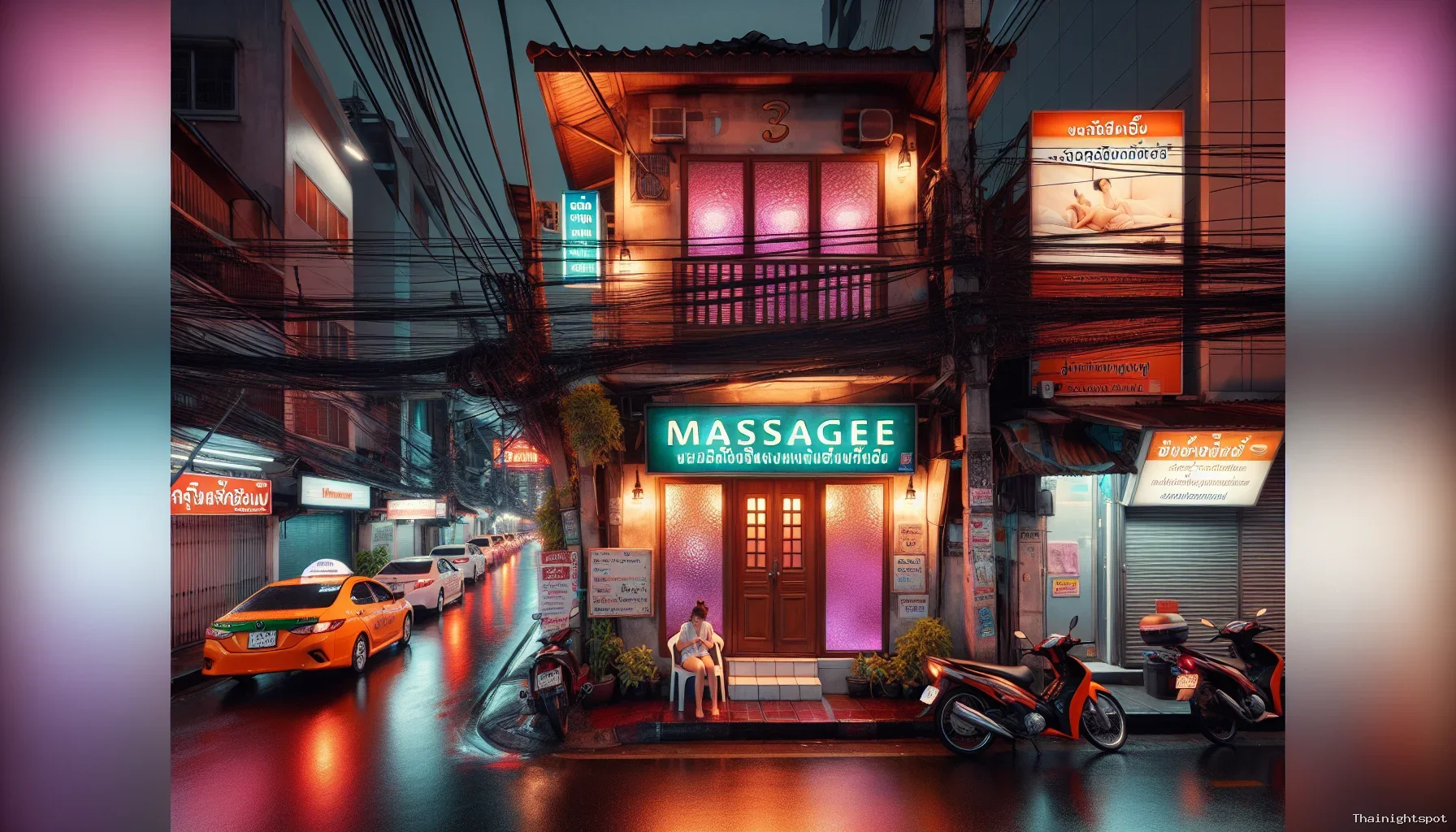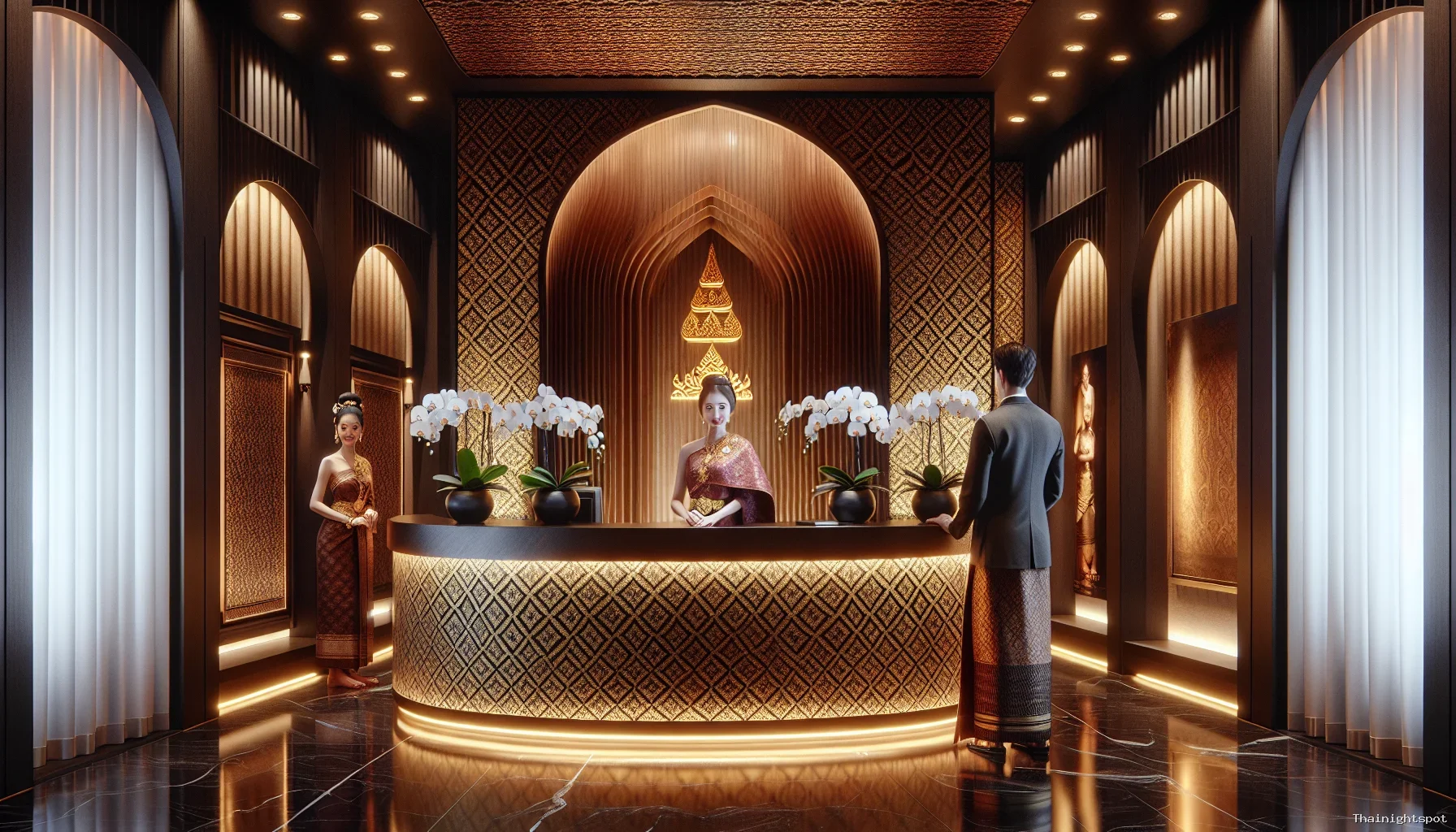
There are two Thailands when it comes to massage. The first is the Thailand of Wat Pho, where the ancient art of nuad boran has been practiced and taught for centuries — a UNESCO-recognized tradition that treats the body as a map of energy lines to be pressed, stretched, and released. The second is the Thailand of neon-lit parlours on New Phetchaburi Road, where the word "massage" carries an entirely different set of expectations.
Both are real. Both are Thailand. And understanding how the country went from one to the other — and why both continue to coexist — requires more than a guidebook. It requires context.
2,500 Years of Healing Hands
Traditional Thai massage, or nuad thai, traces its lineage back approximately 2,500 years to the legendary physician Shivago Komarpaj (also known as Jivaka Kumar Bhaccha), who is regarded in Thai tradition as the "Father Doctor" and a contemporary of the Buddha. While historical evidence for this attribution is limited, the philosophical framework — combining elements of Indian Ayurvedic medicine, Chinese acupressure, and indigenous Thai healing practices — is well documented.
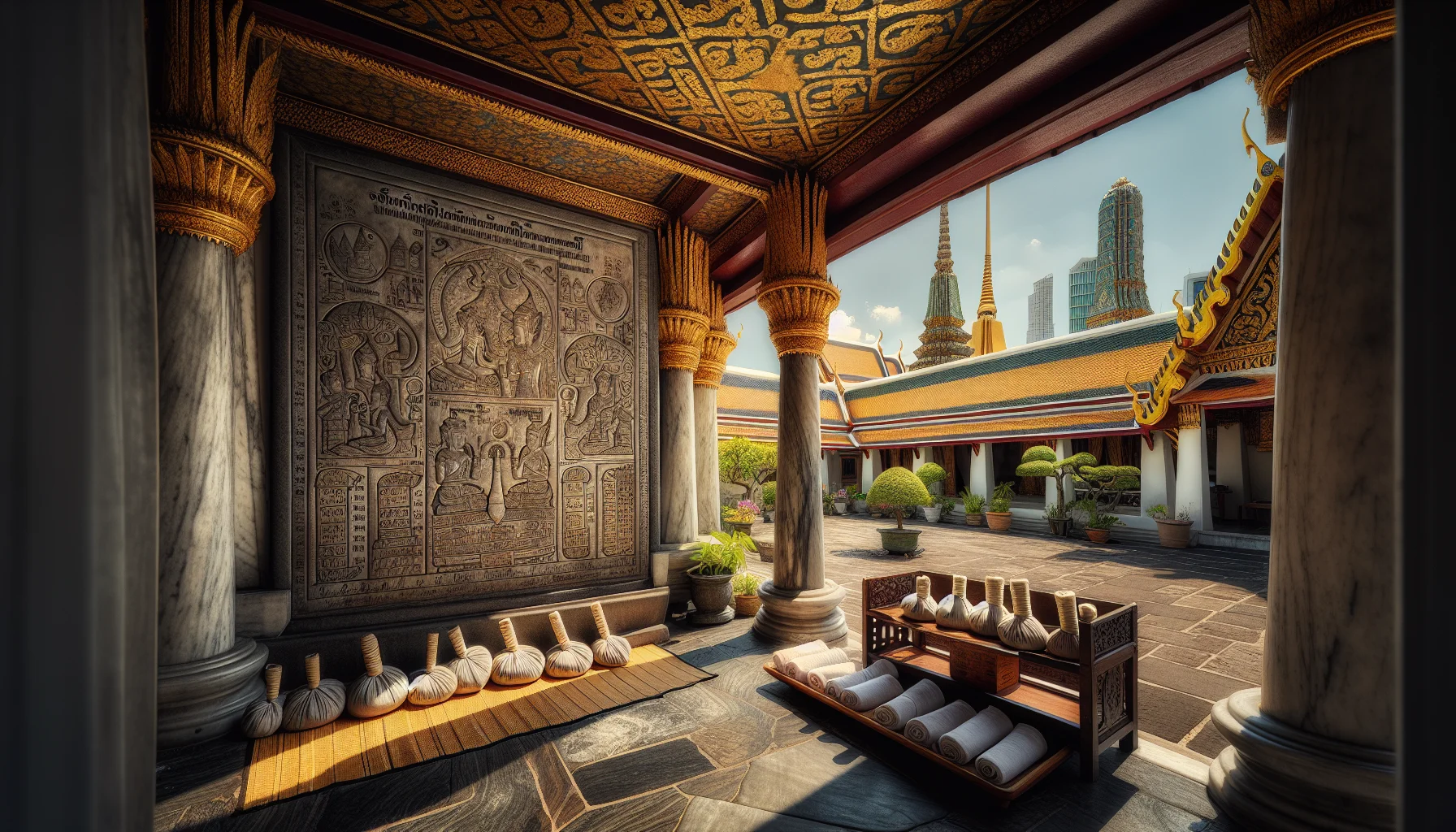
The epicenter of this tradition is Wat Pho (Wat Phra Chetuphon), Bangkok's oldest and largest temple complex. Founded in the 16th century and extensively restored by King Rama III in the 1830s, Wat Pho houses stone inscriptions and illustrations depicting the body's energy lines (sen) and pressure points that form the theoretical foundation of Thai massage. The Wat Pho Thai Traditional Medical and Massage School, established in 1955, remains the most authoritative training institution in the country.
In December 2019, UNESCO inscribed nuad thai on its Representative List of the Intangible Cultural Heritage of Humanity, recognizing it as a practice that "provides health benefits and has been part of Thai identity for centuries." The inscription was a landmark moment that formalized what Thais had always known — that their massage tradition represents a genuine medical and cultural heritage.
Today, traditional Thai massage remains ubiquitous across the country. Street-side shops offering hour-long sessions for 200-300 baht line virtually every tourist area, while luxury spas at five-star hotels charge upwards of 3,000-5,000 baht for similar treatments in air-conditioned rooms with aromatherapy and herbal compresses. The industry employs hundreds of thousands of therapists and generates billions of baht annually. (Read our full guide to Traditional Thai Massage)
How the Parlour Industry Was Born
The modern Thai massage parlour industry — the one that makes tourists whisper and guidebooks equivocate — traces its roots to the Vietnam War era of the 1960s and 1970s. When Thailand served as a rest-and-recreation destination for American military personnel, cities like Bangkok, Pattaya, and Udon Thani saw an explosion of entertainment venues catering to foreign servicemen. Massage parlours, along with bars, nightclubs, and go-go establishments, became fixtures of the urban landscape.
After the war ended, the infrastructure remained. Rural poverty, particularly in the northeastern Isan region, continued to drive migration to cities, and the entertainment industry offered employment that, while stigmatized, paid significantly more than agricultural or factory work. By the 1980s, Bangkok's massage parlour scene had evolved into a sophisticated industry with its own hierarchies, customs, and business models.
The industry's geographic footprint expanded steadily. Pattaya's Walking Street became synonymous with adult entertainment. Patpong in Bangkok — originally a quiet residential street owned by the Patpongpanich family — transformed into a night market and red-light district. Nana Plaza and Soi Cowboy followed as Bangkok's entertainment infrastructure grew to meet both foreign and domestic demand.
The Legal Framework
Thailand's legal relationship with the massage parlour industry exists in a state of permanent contradiction. The Entertainment Places Act of 1966 (B.E. 2509) established a licensing framework that categorized entertainment venues into different types, effectively creating a regulatory structure for businesses that included adult massage parlours. This law governs operating hours, zoning, and licensing requirements.
The Prevention and Suppression of Prostitution Act of 1996 (B.E. 2539) made prostitution itself illegal, carrying penalties of up to one month imprisonment and 1,000 baht in fines for those who sell sexual services, and more severe penalties for operators, procurers, and anyone involved in trafficking. However, enforcement has historically been inconsistent — creating the legal gray zone in which the modern parlour industry operates.
This duality means that massage parlours are legally licensed as entertainment or wellness businesses, while the sexual services that may occur within them are technically illegal. The result is a system where establishments operate openly, pay taxes and licensing fees, employ security staff and management, and maintain corporate structures — all while the core service they provide exists outside the legal framework.
Types of Adult Massage in Thailand
The Thai adult massage industry encompasses several distinct service categories, each with its own history, techniques, pricing structure, and cultural context:
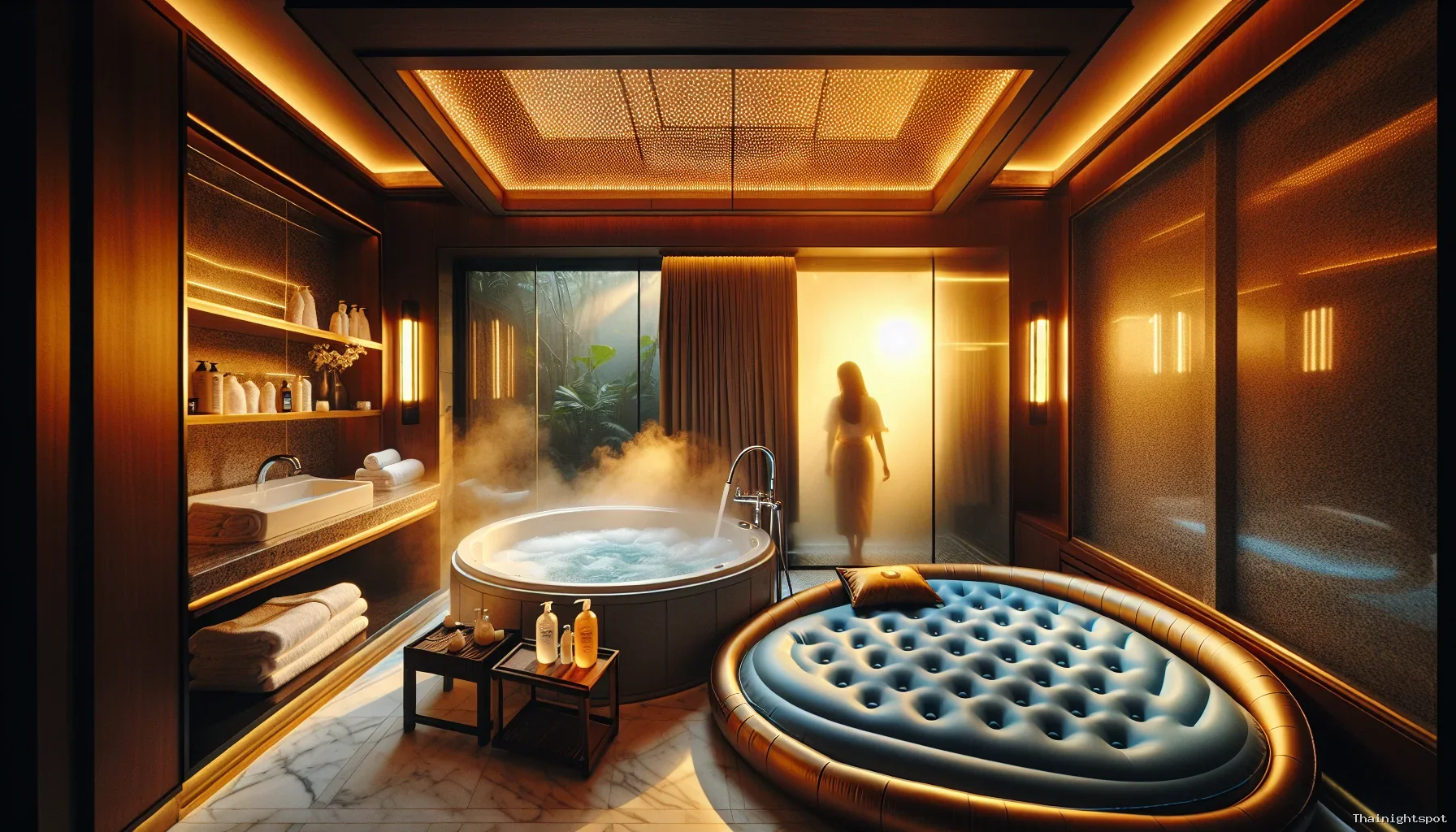
Soapy Massage — Thailand's signature creation. Developed domestically, the soapy massage uses warm water, soap, and full body-to-body contact on an inflatable mattress. Major establishments feature the iconic "fishbowl" selection system. Predominantly found in Bangkok's Huai Khwang district and Pattaya.
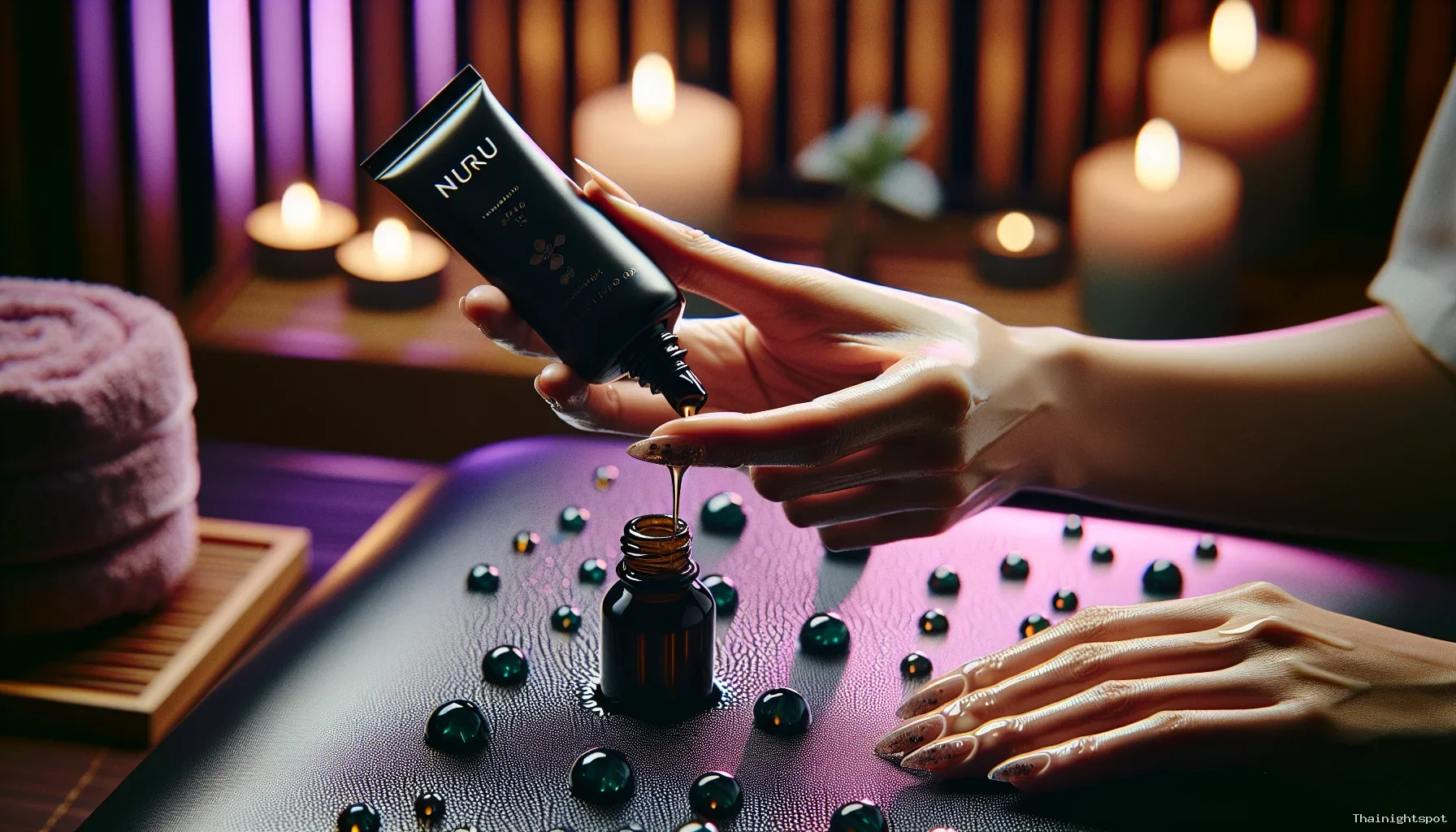
Nuru Massage — Originally from Japan's Kawasaki district, nuru massage uses a translucent gel derived from nori seaweed to create a slippery full body-to-body experience. The technique was adopted by Thai establishments in the 2010s and has since become widely available in Bangkok and other major cities.
Happy Ending Massage — A broad term referring to massage services that conclude with sexual release. In Thailand, this ranges from small street-side shops offering basic massage with manual extras to premium establishments providing comprehensive services.
Prostate Massage — A specialized service that has gained popularity in Thailand's adult massage market, combining elements of health-focused prostate stimulation with erotic massage techniques. Offered primarily in Bangkok and Pattaya at premium establishments.
Industry Economics
The pricing structure of Thailand's adult massage industry reflects a clear hierarchy. At the base level, small massage shops in entertainment areas offer basic services starting from 300-800 baht. Mid-range establishments — typically standalone shops offering oil massage with extras — charge 1,500-3,000 baht for comprehensive sessions.
At the premium end, major soapy and nuru massage parlours in Bangkok operate price tiers based on therapist classification. "Sideline" girls (sitting in the lounge area, approachable for conversation) typically command 2,000-4,000 baht. "Fishbowl" girls (displayed behind glass) range from 2,500-5,000 baht. "Model" or "star" girls — the most sought-after therapists — can command 5,000-8,000 baht or more per session.
For workers, income from the massage industry significantly exceeds alternatives. A therapist at a major Bangkok soapy parlour can earn 30,000-80,000 baht monthly depending on client volume and establishment tier — compared to the national minimum wage of approximately 10,000-12,000 baht monthly for unskilled labor.
Safety Considerations for Visitors
For visitors considering Thailand's adult massage establishments, several practical safety points apply. Licensed establishments in major areas — particularly the large soapy massage venues in Huai Khwang — generally maintain high hygiene standards, with private rooms cleaned between clients and fresh linens provided. Health risks are minimized in reputable venues that maintain cleanliness protocols.
Visitors should confirm pricing before services begin to avoid disputes. Reputable establishments post prices clearly and do not charge entrance fees. Smaller, unlicensed operations — particularly in tourist-heavy areas like lower Sukhumvit — carry higher risks of overcharging and lower hygiene standards.
The legal reality should also be understood clearly: while enforcement against customers is exceptionally rare, the services themselves exist in a legal gray area. Visitors should be aware of this context and exercise appropriate judgment.
This article is part of Thai Night Spot's coverage of Thailand's nightlife and entertainment culture.